
Last June, Inclusion Europe member FEAPS asked families of people with intellectual disabilities to share their experiences regarding education and discuss relevant proposals to improve inclusive education in Madrid.
With our new campaign, we want to raise awareness about ongoing discrimination of students with intellectual disabilities, and get a discussion going on how we can make inclusive education happen everywhere in Europe!
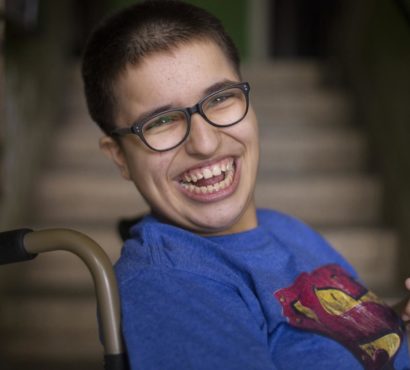
Maria Alexandrova is an 18-year-old student, who lives with cerebral palsy. She has become Bulgaria’s first person with cerebral palsy to try and successfully take the English Cambridge Test. Here is how she fought for inclusive education.
As the current EU Disability Strategy comes to an end, the European Parliament is calling the European Commission for an ambitious post-2020 strategy, in which we can find some Inclusion Europe’s priorities.
“Inclusive Schools” (called “InScool”, in short)
is a project that wants to support inclusive education in Europe.
Inclusion Europe had an interview with one of the organisers
to learn more about the project.
Inclusion Europe has partnered with its Portuguese national member Fenacerci to run an engaging event that will address Inclusive Education and the role of families in the promotion and implementation of an inclusive school.
Inclusion Europe jointly with other organisations urges ECHR to comply with the most recent international human rights laws, including the UNCRPD
The European Report “Children’s Rights for all! Implementation of the UN Convention on
the Rights of the Child for children with intellectual disabilities” revealed that across the
whole of Europe, children with intellectual disabilities are highly vulnerable to discrimination,
neglect and exclusion.
In many countries in Central and Eastern Europe, children with disabilities and Roma children are still placed in the segregated classrooms and schools receiving inferior education. Mental Disability Advocacy Centre (MDAC) and European Roma Rights Centre (ERRC) called for inclusive education for all children on the occasion of International Students’ Day on 18 November.


août 27, 2020